As a tool of advanced medical imaging, PET-CT scans are a revolutionary combination of metabolic information and anatomic imaging. Undergoing this scan might feel intimidating. But gathering essential information about the procedure might ease you a little.
Read on to explore what a PET-CT scan is, how it works, and why choosing Vijaya Diagnostics in Hyderabad could be your best decision.
What is PET-CT Scanning?
Positron Emission Tomography – Computed Tomography is a type of nuclear imaging that performs two types of scans at a time.
PET Scan measures metabolic activity in tissue. CT, or computer tomography, provides a great deal of structural detail.
By combining these, PET-CT enables doctors to
Notice abnormal things in organs and tissues.
Discover tumours early on.
Keep an eye on how a disease is reacting to treatment.
How Does PET-CT Imaging Work?
PET-CT scanning operates through a two-part process:
Injection In of a Radiotracer:
A small amount of radioactivity (most often FDG, a form of glucose) is injected.
Cells in the body absorbs the radioactivity— active tumor cells absorb more.
The radiotracer emits positrons, which are detected by the scanner.
Dual Image Capture:
PET captures metabolic activity.
CT captures anatomical structure.
Software overlays the two for a composite image.
This combination enables doctors to pinpoint issues such as cancer, neurological conditions, and cardiac diseases with remarkable accuracy.
PET-CT Scan in Hyderabad: How Should I Prepare?
To ensure accurate imaging results, patients should follow specific preparation guidelines:
Avoid eating for at least 6 hours before the scan. Water is usually allowed.
Inform your doctor about all medications, including insulin or diabetic tablets.
Notify your healthcare provider if you are pregnant or breastfeeding, any allergies or have a fear of confined spaces.
Important Pre-Scan Advice:
Avoid strenuous exercise 24 hours before the test.
Stay hydrated unless instructed otherwise.
Bring recent test results, previous scans and medical history documents if available.
What Does the PET-CT Equipment Look Like?
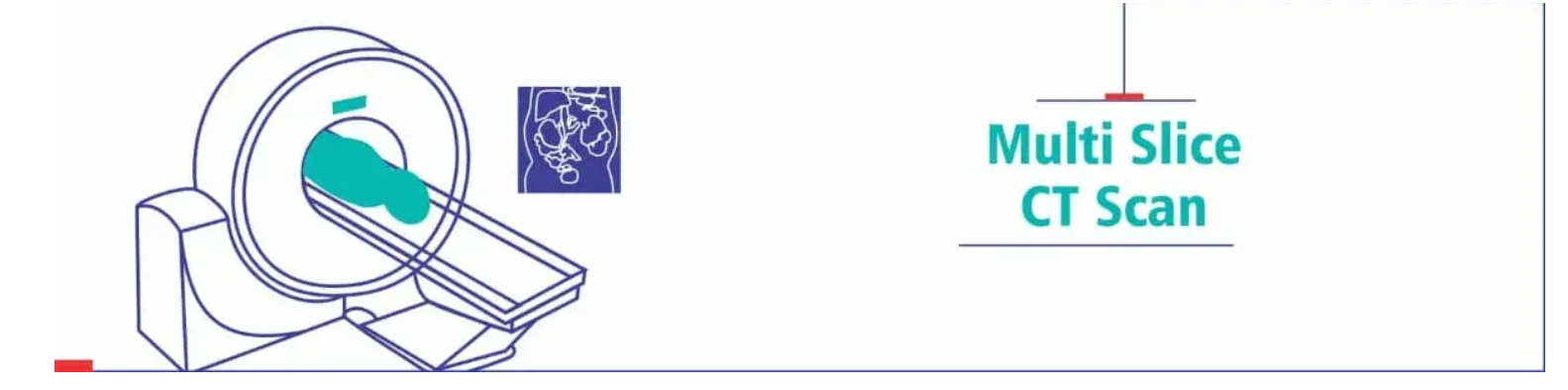
The PET-CT scanner resembles a large doughnut-shaped machine with a tunnel in the centre. The patient lies on a motorised table that slides through the tunnel slowly during the imaging process.
Key features include:
Integrated PET and CT detectors
Circular gantry (scanning ring)
Comfortable padded table with head and body supports
Feature
PET Scan
CT Scan
MRI Scan
Technique
Nuclear medicine
X-ray-based
Magnetic field & radio waves
Detects
Metabolic activity
Structural detail
Soft tissue structures
Use Case
Cancer, heart, and brain disorders
Bone, lung, internal injury
Brain, joints, and spinal cord
Radiation Involved
Yes
Yes
No
Time Required
30-90 minutes
5-10 minutes
30-60 minutes
What Happens During the PET-CT Scan?
Your PET-CT scan experience is carefully managed to ensure your comfort and safety throughout. Here's a clear breakdown of what typically happens: Before the Scan
When you arrive, your radiographer will explain what will happen. This is also a chance for you to raise any questions or concerns.
You will then be asked to put on a hospital gown so that nothing will be obstructed by street clothes. Remove all metal items, such as jewellery and belts, as these will interfere with the images recorded by the scanner.
Sometimes, a blood test is done to check the blood sugar level. This is common if you’re being scanned for cancer or if you have diabetes.
Injection of the Radiotracer
Next, you will have a small injection of a radioactive tracer through a cannula (a small plastic tube) in a vein in your arm. Following the injection, you’ll be asked to rest quietly for approximately one hour.
It is important to lie as still as possible. This permits the tracer to travel through your body and be absorbed by your tissues, creating clear and detailed images.
You may be asked to empty your bladder right before the scan starts. A full bladder can affect the quality of the images, particularly for scans of the lower belly or pelvis.
Entering the Scanning Room
When you are ready, the radiographer will take you into the scanning room. In most cases, you’ll be asked to lie on your back on the scanner bed.
When you are in the right position, the radiographer will go into the control room. They will be able to see and hear you at all times during the scan through a screen and intercom, and you can speak to them at any point if you need help. During the Scan
The scanner bed will advance and retract slowly through the PET-CT machine’s circular opening. While this is occurring, the device takes detailed pictures of your organs and tissues. The scan is not painful, but you have to lie still so the pictures are not blurry and inaccurate. After the Scan
Once the scan is complete, your radiographer will come back into the room to lower the couch, and you can then get up carefully and gradually. Now, you can simply put your clothes back on and go about your day (unless you’ve been instructed otherwise).
If you’ve had a cannula inserted, it will be taken out, and you might be asked to sit for a short while to be certain that you are feeling well before you go home.
What to Expect After the PET-CT Scan?
Following the scan:
A brief monitoring period may be recommended.
You’ll be encouraged to drink water to flush out the radiotracer.
Most patients resume daily activities immediately.
A radiologist will analyse your images to prepare the report.
Benefits of a PET-CT Scan
PET-CT scanning offers multiple advantages over traditional imaging methods:
Early detection of diseases like cancer.
Precise localisation of abnormalities.
Staging and restaging cancer accurately.
Monitoring response to treatment or surgery.
Minimally invasive procedure with no pain involved.
Risks Associated with PET-CT Scanning
Though PET-CT is generally safe, some risks include:
Radiation Exposure:Slightly higher due to dual imaging, but within safe limits.
Allergic Reactions:Rare; may occur due to the contrast dye in CT.
Injection Site Issues: Minor swelling or bruising can occur.
Pregnant or breastfeeding women should consult their doctor before undergoing the scan.
Limitations of PET-CT Scans
While PET-CT scans are incredibly valuable, they do have limitations:
Not all tumours absorb FDG—some might be missed.
False positives due to inflammation or infection.
Limited clarity for very small lesions (<5mm )
Why Choose Vijaya Diagnostics for Your PET-CT in Hyderabad?
At Vijaya Diagnostics in Hyderabad, we pride ourselves on offering:
State-of-the-art imaging equipment with advanced PET-CT technology.
Highly qualified radiologists and nuclear medicine specialists.
Comfortable, hygienic environment for all patients.
Accurate, timely reports that assist in clinical decision-making.
Get Your PET-CT Scan Done at an Affordable Price in Hyderabad
We believe access to high-quality diagnostics should not be a luxury. Vijaya Diagnostics offers transparent pricing with no hidden charges. We also offer affordable scan packages for oncology and chronic disease management.
Locate a Vijaya Diagnostic Centre Near You for 3T MRI Scan in Hyderabad
Use the Centre Locator tool on our homepage to find a Vijaya Diagnostic Centre in your area. You can also find the nearest centre by searching “Vijaya Diagnostic Centre near me” on Google.
Drag & drop your files here, Or browse files to upload.
.pdf, .jpg & .png formats supported. Upto three files can be uploaded at a time
INDIA'S LARGEST INTEGRATED DIAGNOSTIC CHAIN
3000 +
Professionals
Including 300+ specialized and Super specialized Radiologists and Pathologists
100 +
Million Lives Touched
Trusted by Every Age Group
40 +
Years of Legacy
in Delivering Quality Diagnostic Services
160 +
Diagnostic Centres
State-of-the-art Facilities with Best Customer Service
25 +
Cities Across 6 States
India’s Largest Comprehensive Diagnostic Centre
450 +
Corporate Partners
Most Preferred Diagnostic Partner
Lorem ipsum dolor sit.
Lorem ipsum dolor sit amet consectetur adipisicing elit. Possimus sequi quibusdam dignissimos porro, ducimus ut obcaecati, eligendi expedita quisquam aspernatur non officiis quia iste dolores? Inventore maxime et numquam nisi!
Lorem ipsum dolor sit.
Lorem ipsum dolor, sit amet consectetur adipisicing elit. Inventore nostrum tempore, nam expedita repellat saepe quia, fugiat perferendis doloribus harum nihil. Ipsa animi similique ea quaerat officiis culpa illo dicta.
Frequently Asked Questions (FAQs)
Centre Details & Locations
How do I locate a Vijaya Diagnostic Centre near me?
>
You can click on the Centre Locator mentioned on the top right bar of our home page website to locate centres in your city. You can also search in Google “Vijaya Diagnostic Centre near to me” to find the nearest centre.
Are wheelchair facilities available at your centre?
>
Yes, most of the centres have this facility.
Can I check the operational timing of a Centre?
>
Yes, you can check the operational timing of a branch by selecting the centre you want to visit on our website or Google map of respective centre.
Health Checkup & Packages
What is validity to avail a Health check package or a test booked online?
>
The validity of a health check package is 30 days from the date of invoice, for more detail to Terms & Condition of use section on our website.
How to Prepare for Preventive Health Check-up?
>
Watch This Video for Detailed Information Play This Video
Validity of my health check has expired and I did not visit Vijaya Diagnostic Centre within validity period, can I still avail the same package?
>
Once the validity period is over for your registered package, the package cannot be availed. The amount paid by you during the registration process is non-refundable, non-transferable and gets forfeited if you do not visit the branch within the validity period. The amount paid by you during the registration of the special package cannot be utilized for availing other packages.
Can I directly purchase Direct Marketing Packages from the branches of Vijaya Diagnostic Centre?
>
No. These are special promotional packages which are available for registration only during the specific campaigns and thus it is important for you to register there during the event/campaign. These are specially designed and discounted packages which are only available during the campaign with specific validity period.
I have bought a Direct Marketing package... Can I transfer this package?
>
The package once registered, is non-transferable. One has to utilize the package for the registered customer only.
Home Sample Collection
Can I get my pathology (Blood and Urine) samples collected from home?
>
Yes, you can book a Home Sample collection by selecting the desired tests on our website or calling our customer care number at 9240 222 222.
Can I prepone/postpone my Home Blood Collection appointment?
>
Yes, you can prepone/postpone an appointment by calling our customercare number at 9240 222 222.
Reports
How do I see my reports on www.vijayadiagnostic.com?
>
Visit Home page of our website and click on Download reports icon. You need to login with mobile number and OTP. You will see your latest report in PDF format.
Are my reports shared with anybody else other than me?
>
No, your reports would not be shared with anybody else other than you.
Tests Information & Instructions
Is fasting necessary before undergoing a blood test?
>
Yes, fasting is recommended before undergoing a blood test.
How to Prepare for a Blood Test ?
>
Watch This Video for Detailed InformationPlay This Video
How to prepare for a CT scan?
>
Important Instructions:
Generally, fasting is required prior to administering IV contrast. Fasting for ~ 4 hours (solid foods) is recommended.
Kidney function test (serum creatinine) in cases of positive clinical history.
Review of your medical history to determine that no issues exist preventing you from having a CT scan, such as pregnancy / contrast allergy or reaction (i.e., hives, rash, itching, breathing difficulty).
A person accompany for IV contrast procedure.
Pre-scan requirements:
Some CT scans require drinking oral contrast, for approximately 30–60 minutes prior to your scan.
Some CT scans involve an injection of contrast, for which an IV cannula will be inserted.